
Описание
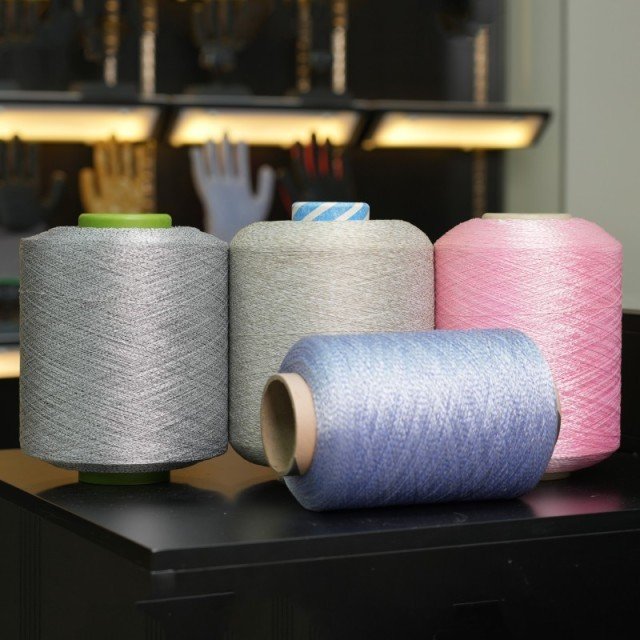
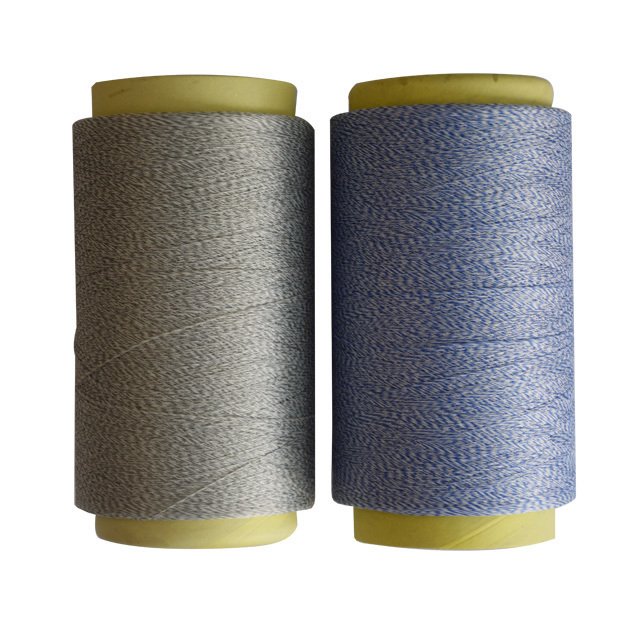
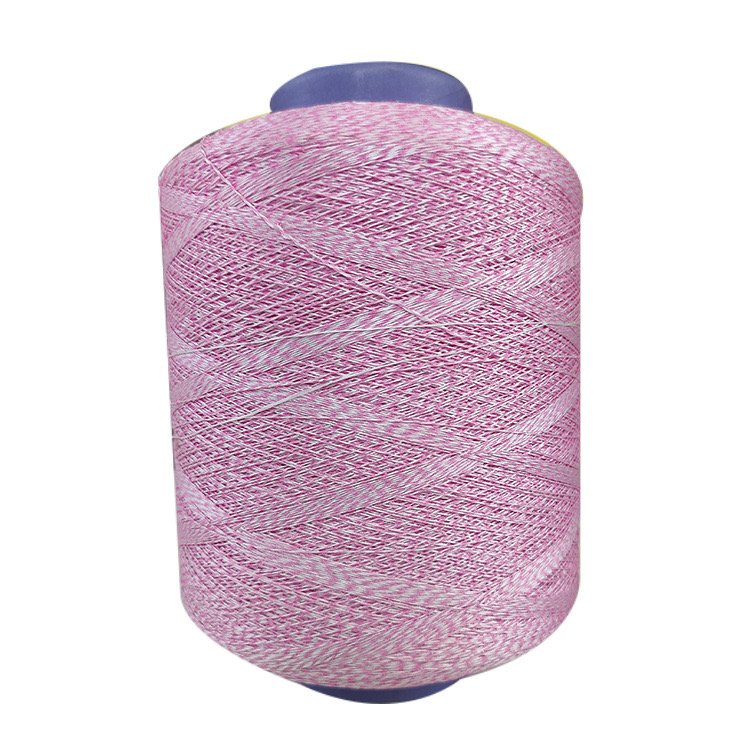
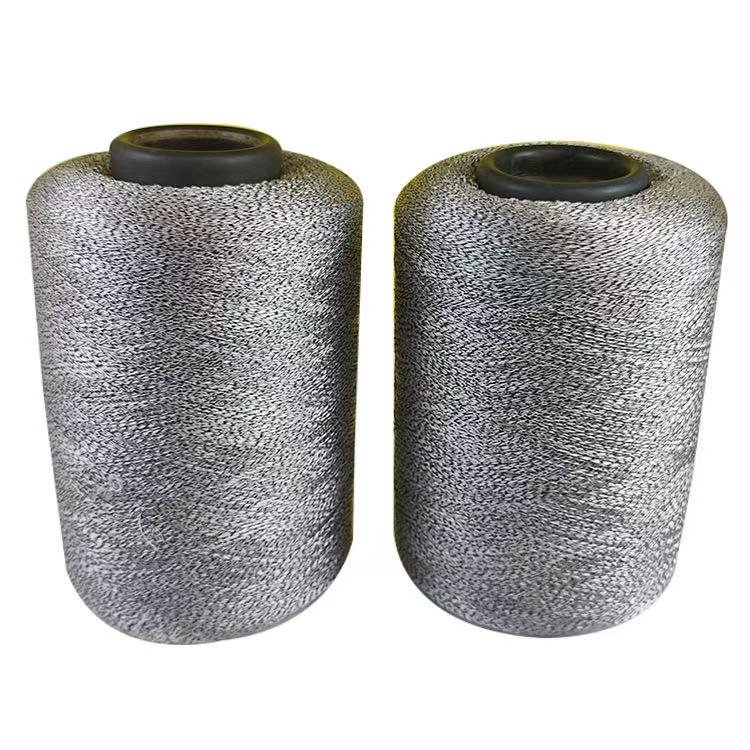
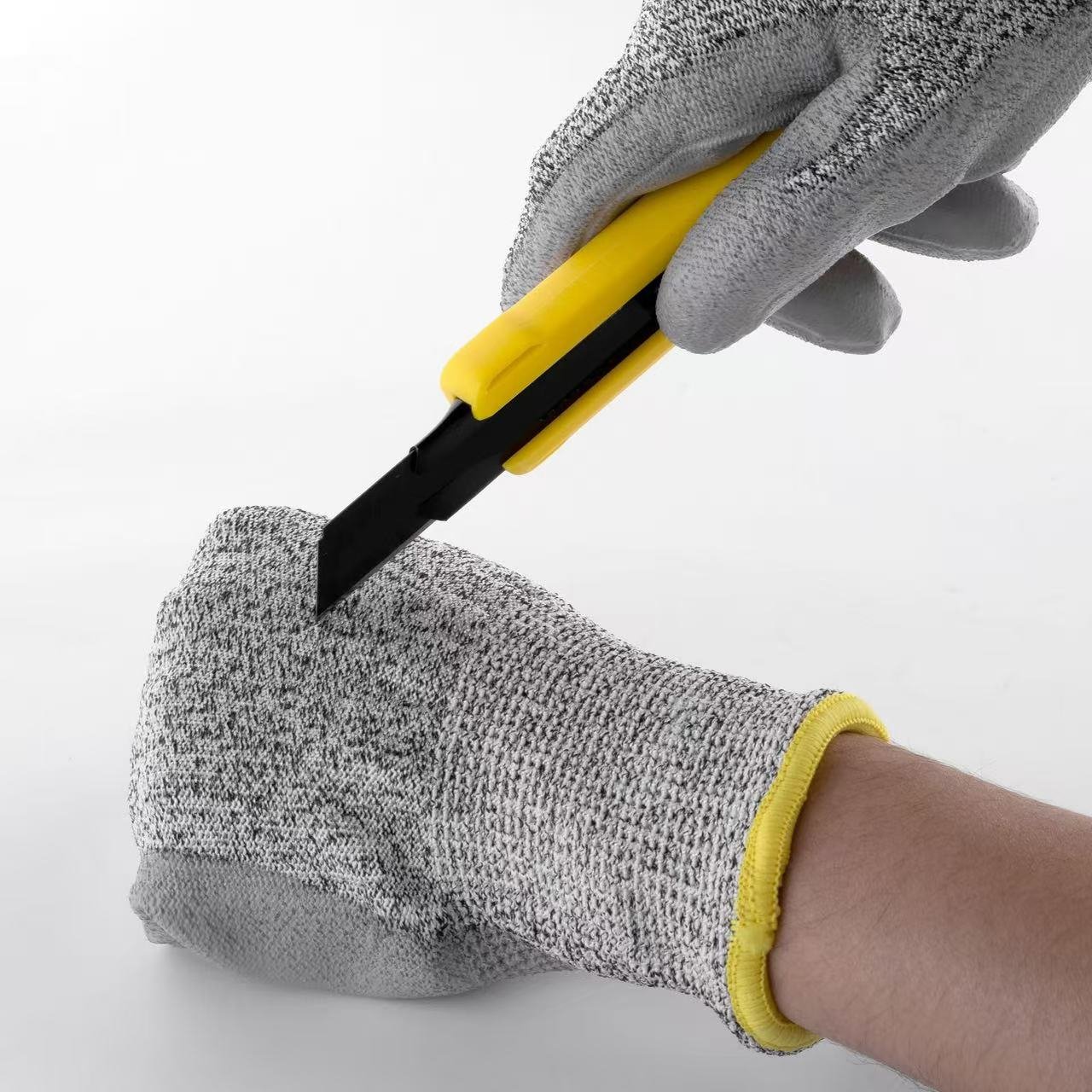
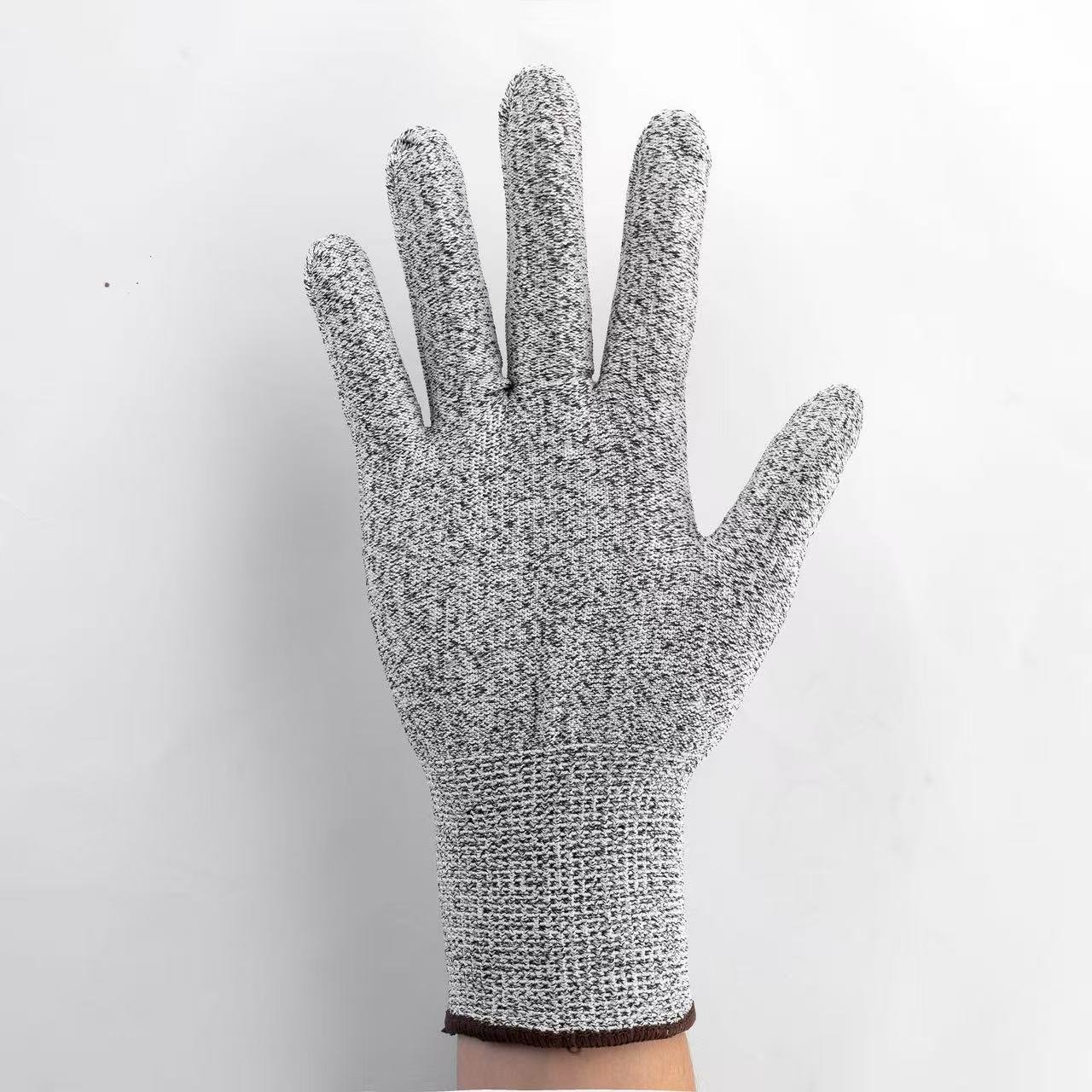
Gloriyarn supplies cut resistant yarn for 13G, 15G and 18G safety glove liners. Material selection, reinforcement and covering construction are matched to the target glove’s fit, flexibility and cut performance. HPPE-based composites and para-aramid yarns provide options for glove manufacturers developing industrial hand protection.
Materials and their roles in cut resistant yarn
| Component | Role in the yarn | Selection considerations |
|---|---|---|
| HPPE / UHMWPE | Lightweight, high-strength polyethylene filament used in cut-resistant structures. | Select the filament count and composite construction to suit liner thickness and knitting gauge. |
| Para-aramid | Cut-resistant fiber for protective textiles, including applications with heat exposure. | Specify the spun yarn count, ply and any reinforcing core. Verify heat performance on the finished glove. |
| Glass fiber | Reinforcing component in covered or composite yarn. | Covering quality and flex durability affect fiber containment and wearer comfort. |
| Stainless steel wire | Metal reinforcement used in selected cut-resistant constructions. | Specify wire grade and diameter, then assess flexibility, covering and knitting performance. |
| Nylon / polyester | Covering and companion yarns used to adjust the surface, handling and durability. | Specify the material, filament count and covering arrangement. |
| Спандекс | Elastic component for stretch, fit and recovery. | Specify denier and draft together with the covering construction. |
Covered yarn and core-spun yarn constructions
In covered yarn, one or more yarns wrap helically around a core. Single, double and additional covering stages can combine HPPE, reinforcing filaments and elastic components. Cover direction, turns per metre and component tension affect the finished yarn’s diameter, flexibility and surface coverage.
In core-spun yarn, staple fibers are spun around a filament or wire core. Para-aramid staple fibers can form the outer sheath around a reinforcing core. Confirm the actual structure when comparing yarn specifications.
Matching yarn to 13G, 15G and 18G glove machines
Higher machine gauges have closer needle spacing and generally require finer yarn constructions. Select yarn by its complete structure, diameter and feeding behavior, together with the machine model and stitch settings.
| Gauge | Development focus | Trial checks |
|---|---|---|
| 13G | Balance liner coverage, flexibility and reinforcement for general industrial handling. | Assess yarn feed, stitch formation, liner weight and fit. |
| 15G | Develop a finer liner with comfortable fit and dexterity. | Match total yarn diameter to needle spacing and check feed tension and stitch consistency. |
| 18G | Develop a thin, fine-knit liner for precision handling. | Check fine-yarn uniformity, reinforcement diameter, covering integrity and breakage during knitting. |
Each gauge can support different cut-performance targets through changes in materials, yarn structure and knitting design. Confirm the result on the completed glove construction.
How to specify a composite yarn
- Linear density — state the total finished-yarn denier or dtex and list the component counts separately. Denier expresses grams per 9,000 metres. A 400D HPPE component describes one input to a composite yarn.
- Spun yarn count — identify the count system and ply, for example Ne 20/1 or Ne 20/2, when specifying para-aramid spun yarn.
- Reinforcement — record the glass-fiber count or metal-wire material, diameter in mm and number of ends.
- Covering — record covering materials, layers, direction, turns per metre and elastic draft where applicable.
- Finished liner — record machine gauge, stitch settings, size, weight per pair and coating details.
Cut-performance testing
State the test method and classification system with every cut-performance claim. EN 388 circular-blade cut levels 1–5, its ISO 13997 straight-blade classes A–F, and ANSI/ISEA 105 cut levels A1–A9 use different classification systems. Use the applicable test report to identify the glove construction, test method, edition and achieved result.
The finished glove’s cut rating depends on materials, yarn construction, knitting parameters and coating. Use sample knitting and testing to validate the selected yarn for the intended glove. Refer to ISO 13997 for the straight-blade test method.
Samples and technical enquiries
Send your machine model and gauge, current yarn specification or sample, required liner weight and feel, target cut standard and level, coating type, color and packing requirements. We can discuss the construction for your sampling programme. For related materials, see our para aramid yarn и fiberglass yarn.



Отзывы
Отзывов пока нет.